Thursday, April 26, 2012

The Orgasmic Oyster

Today I bring you a post that I find to be very fascinating. Before I begin, I would like to apologize for a lack of posts this month. Busy lives sometimes do not allow for blogging, but because work has been slow this week, I decided that what a perfect time it was to write. Now that summer is approaching, I have a whole list of fun activities that I would like to conquer, as I am sure many of you do as well. Going to the beach, having barbeques, and enjoying time with family and friends in the sun are all common summer goals. Most summer activities include good food and drinks, which is why these activities are applicable and ideal for everyone. Now, being a person who spent a lot of my childhood on Cape Cod, I have acquired quite a palate for seafood. Fish, clams, mussels, lobster, shrimp,seaweed, sea urchin...you name it, I have eaten it.


Out of all the filter feeders and sea anemones, my absolutely favorite is the salty, sand-in-your-mouth, aphrodisiacal oyster. When most people think of an oyster, ESPECIALLY if they are not use to eating seafood, they gag. It brings a tear to my eye to see people turning away this luscious bundle of nutrients just because they have never tried them before. Well here's a tip people: Grow up! If you try it, and still don't like it, fine. If you sit there and make faces at something you've never tried, you are a baby. Anyways, oysters bring a lot of things to the table. I think my favorite fact about these filter feeders is that you can eat them raw. As many of you probably don't know, eating raw food that has not been cooked past 104 degrees Fahrenheit contains the highest amount of nutrients. This is because foods that have been cooked above this nutrient-killing temperature have lost much of their nutritional value and are less healthful or even harmful to the body. This is one of the many beliefs of those following a raw vegan diet, and it makes perfect sense. Eating raw, natural foods that have not been tampered with in way, are the most nutrient rich. So when you think of raw oysters coming straight out of the ground and down into your belly, you can be happy that you are being filled with nutrients that truly promote good health and longevity. 


Oysters are members of a family known as Ostreidae. This family is the family of true oysters, and include the most common species that are eaten by humans. Some of these oysters include the Eastern Oyster, the Olympia oyster, and the Wellfleet oyster, which can be shucked right down in Wellfleet, Massachusetts. Oysters can be harvested in both the Atlantic and Pacific water. They are known as bivalve mollusks - bivalve meaning that they contain two shells. They also have an adductor muscle, which means they have a central point of attachment to their shell, and can be seen when you open the oyster, along with all of its other other bodily parts.


Oysters are a wonderful source of many nutrients. They are most known for being high in zinc, iron, calcium, selenium, vitamin A, vitamin D and vitamin B12. Oysters are a great addition to a diet of someone who may be anemic, because of their high iron levels. The zinc levels found in oysters are also very important to the human body because many different biochemical processes need zinc in order to occur. The high zinc content of oysters also help the body to increase testosterone levels, which is why these mollusks are known as aphrodisiacs. Oysters are also very rich in amino acids, which helps trigger an increase in sex hormone levels. Oysters have been a favorite food since ancient times. They were cultivated in China before the Christian era. The Greeks, Romans, and Indians enjoyed these mollusks long before we ever shucked them up, and now we know why! Oysters are also wonderful because of how low in calories they are. One serving of raw oysters is about 6 medium oysters on the half shell. Total calories for 6 raw oysters is going to be anywhere in between 40 to 60 calories. How about that! A solid source of raw nutrients, protein, and very little calories. (I want to slurp some just thinking about it). As far as protein goes, well oysters are literally just a muscle between the two shells. This means oysters have a very high protein content, and a low fat content, making them an ideal food for someone looking to eat on a diet. In one cup of raw oysters, you can find as much as 17 grams of protein. So after your long, dreary workout at the gym, you might as well just go to the raw bar. They do have some fats, and are mostly unsaturated fats...good fats, but are small amounts, maybe 3% of your daily intake.

Check out this nutrition data page to get a full breakdown of all the vitamins and minerals found in these precious gems:


All in all, oysters are great for you, they are fun to eat, and they are fun to catch. They are great for summer barbeques, great to order at the raw bar, and great for your body. If you have never tried an oyster before, do yourself a favor and head to your local seafood mart. If you are looking for a GREAT raw bar, I highly suggest the Wellfleet Beachcomber in Wellfleet, Massachusetts. Great raw bar and restaurant overlooking a beautiful beach. It doesn't get much better than that.


Look how much fun they're having!


Thursday, March 15, 2012

Beer is Better!

Beer is one of those things that tastes so good but has a horrible reputation because of its calorie and carbohydrate content. In many cases, people tend to stay away from beer if they are watching their figure or trying to lose weight. This makes sense when counting calories, however many people are not aware of the wonderful health benefits that beer has to offer. To start off, yes, beer has calories and carbohydrates. But so does bread, pasta, or rice, right? In my opinion, it is better to skip that dinner roll and enjoy a fine stout because lets be honest, you want to do it anyways.

Before I go into more detail on the health benefits of beer, I wanted to share the abstract to this study that was published in the American Journal of the Medical Sciences titled Nutritional and Health Benefits of Beer:

“Physicians should be aware of the growing evidence supporting the nutritional and health benefits of moderate consumption of alcohol as part of a healthy lifestyle. The recently approved voluntary label on wine ("the proud people who made this wine encourage you to consult your family doctor about the health effects of wine consumption") implies that physicians should promote wine as the preferred source of dietary alcohol. However, studies evaluating the relative benefits of wine versus beer versus spirits suggest that moderate consumption of any alcoholic beverage is associated with lower rates of cardiovascular disease. From a nutritional standpoint, beer contains more protein and B vitamins than wine. The antioxidant content of beer is equivalent to that of wine, but the specific antioxidants are different because the barley and hops used in the production of beer contain flavonoids different from those in the grapes used in the production of wine. The benefits of moderate alcohol consumption have not been generally endorsed by physicians for fear that heavy consumers may consider any message as a permissive license to drink in excess. Discussions with patients regarding alcohol consumption should be made in the context of a general medical examination. There is no evidence to support endorsement of one type of alcoholic beverage over another. The physician should define moderate drinking (1 drink per day for women and 2 drinks per day for men) for the patient and should review consumption patterns associated with high risk.”

I love this abstract. Everywhere you go, people are judging those who love beer. Except for on one day where it is socially acceptable to enjoy one – St. Patrick's Day! A wonderful day that the Irish have given us. Anyways, the Irish have always been beer lovers, since back in 1756 when the first stout brewery was created. The first lager brewery was set up in 1891 in Dartry, Dublin, and by the time 1959 came around, lager consumption in Ireland and in the United Kingdom was 5 times greater than anywhere else. Although Ireland is better known for producing a stout beer, 63% of the beer sold in the country is actually lager. Stout makes up about 32 % of the market, leaving the other 5% to the crap beers. Anyways, Arthur Guinness, the man himself, set up a small stout brewery back in 1756. He later moved it to Dublin in 1759, and by the early twentieth century, Guinness became the largest brewer in the world.

Not only were the Irish promoting their product, but they were promoting good health, too! Now a days, the only alcoholic beverage we ever hear that has health benefits is wine. So many antioxidants! Decreases your chance of cardiovascular disease! Well guess what, beer can provided the same benefits, plus a few more that won't leave you feeling guilty after happy hour. Now, we must understand that most of these health benefits are coming from the world's better crafted beers and micro brews. These beers are made with barley, hops, yeast and water: natural ingredients. Beers that are mass produced are hardly any more that watered down beer with corn and chemicals to make it live longer, like Busch Light and Natural Light. These light beers are aimed at the college populations that want to feel the effects of drinking alcohol in large quantities . Most people looking to have just a beer or two at the end of the day normally choose a better quality brew, and in turn, reap the health benefits.

Strong bones: These craft beers actually contain many vitamins and minerals, with silicon and calcium at the top of the list. Silicon, which is the soluble version of silica, is a calcium-like mineral that helps build strong bones, teeth, hair, and nails. Beers that have higher levels of barley and hops will contain higher levels of silicon. So those looking for this extra boost should look for IPA's and pale ales. Unfortunately for people like myself, wheat beers are not a significance source. (Womp womp.)

B-Vitamins: Craft beers can include a rage of B-vitamins, from Potassium to Folic Acid, and even high levels of B-12. Folic Acid is great for vascular health. Although it is also a vitamin that is recommended during pregnancy, drinking beer is NOT the way to get in your folic acid if you are a prenatal. B-12 is a vitamin that helps keep your brain and nervous system functioning normally. It also helps in the formation of blood. Other vitamins found in a 12 ounce beer include niacin, thiamin, riboflavin, choline, and B6 (although they are small amounts.)

Healthy Cholesterol: The ethanol in craft beers has been proven to increase High Density Lipo-protein levels, AKA, good cholesterol. Increasing HDL levels has been proven to reduce blood pressure, prevent the thickening of artery walls, and in turn, prevent cardiovascular disease. Today, millions of Americans suffer from high blood pressure or have had a stroke or a heart attack. Increasing your good cholesterol and allowing your blood to flow better by one or two craft beers a day sounds like a pretty good idea to me. To further convince you, researchers in the Netherlands found that men who drank 2 pints of beer a day increased their HDL levels by 7 percent after only 10 days, and by 12 percent after 3 weeks. How about that!

Carbs + Fiber: People often look at all of the carbohydrates in beer as a bad thing. Some people may refer to it as liquid bread. Unless you are starving yourself for spring break in two weeks, carbs are not the enemy! Carbohydrates are meant to make up 55% of your daily diet, and are the main source of energy that your body uses. If someone is undergoing extreme exercise, then their carbohydrate intake should increase. Carbohydrates are the most easily obtained energy from your body, and we should all appreciate them. Beer also can provide a great deal of fiber per 12 ounce serving, which will help keep your digestive system in balance. People who drink more than their recommended amount of beer per day often have to use the bathroom soon after consuming their first drinks. Now you know why. But anyways, more fiber leads to a healthy colon and assist in the battle against diabetes, heart disease, and even cancer.

Today, another sore subject is the tie between red meat and cancer. According to a Portuguese study, marinating your steak in beer can eliminate up to 88% of the carcinogens that form when pan frying your meat. This is great for people who honestly do not enjoy drinking alcohol, but want to reap the benefits.

Antioxidants: Although red wine has become our go-to drink for added antioxidants, beer actually has a very comparable amount of antioxidants. In fact, these craft beers and micro brews can actually have as much as 5 times the amount of antioxidants as white wine. So long, sangria! These antioxidants will help prevent the oxidation of our blood plasma by free radicals (the enemy), which can further cause many of the diseases out their today. Free radical damage can be responsible for cancer, diabetes, and heart disease. So, if you have been choking down that glass of red wine at dinner to get in those antioxidants, grab an IPA instead, and do yourself just as much good.

So, what have we learned today? Beer is better! Moderate consumption of alcohol as part of a healthy life style is something that all physicians need to become aware of. I love this topic because beer has such a bad reputation. However, when consumed in the right sense, it is a true benefit to our health. In the end, I am encouraging everyone to enjoy St. Patrick's Day with 2 pints of beer if you're male, and 1 pint of brew if you're a woman. Get to your local bar and don't feel guilty about Guinness!

Thursday, March 8, 2012

Flax Seeds: What's the Fuss?

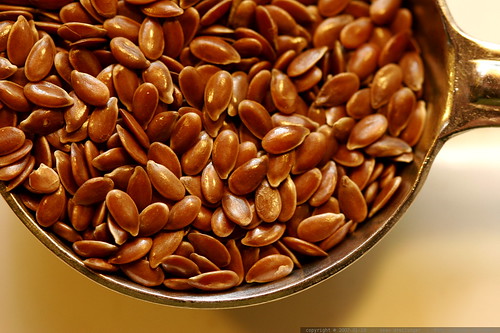
If you have visited our seeds page in the past, then you know how wonderful flax seeds are for your health. Although I personally know a lot about flax seeds, they are one of those weird health foods that the majority of the public has never heard of. Flax seeds are tiny little seeds that come from a flax plant - usually about 4 feet tall with long, slender stems and leaves. Flax come in two varieties: brown, or golden yellow.


Although flax seeds have a very high vitamin and mineral content, they are very famous for their omega-3 fatty acids. I know sometimes we talk a lot about omega-3 fatty acids in this blog, and it may get boring, but they are important! Omega 3 fatty acids can help your personal health in so many ways that it is simply irresponsible not to consume the recommended daily intake. Although we have a complete list of the benefits of essential fatty acids on our fatty acid page, I will reiterate my favorite benefits here:
    • Increase blood circulation, and therefore reduces blood pressure as well as risk of heart attack
    • Reduce risk of ischemic and thrombotic stroke
    • Improved immune function
    • May delay or prevent the progression of certain psychotic disorders
    • Improve human depression
    • Anti-inflammatory activity
    • Prevent and treat arthritis and osteoarthritis
Since many people do not have any of these health problems...YET, they are so common in our world today that we need to take the steps to prevent these diseases in the future. Consuming the recommended amount of omega 3 fatty acids per day can truly benefit your health and keep you in tip top shape for the rest of your life. High food sources of omega 3 fatty acids include vegetable oils, seeds, nuts, fish, and other marine foods. Since many people do not or cannot eat seafood, flax seeds are a wonderful alternative. In fact, flax seeds are being discussed as the BEST source of omega 3 fatty acids. This has been brought to our attention by German Scientist Johanna Budwig who is well known for her alternative cancer therapy known as the Budwig Diet which consists of flax seeds high in omega 3's. Here is some background information on the Budwig Diet and why this is a POSSIBLE cure for cancer:

http://www.naturalnews.com/027539_cancer_diet_cure.html

Here is the main attraction which discusses why flax seeds may be the best source of omega 3 fatty acids:

http://www.naturalnews.com/035168_flax_seeds_omega-3_fatty_acids.html

If you are interested in consuming these life saving seeds, I have found that the best way to eat them in in smoothies, in salads, or in baking. Since I know I am not the only person who loves to bake, it is very simply to add a handful of these wonders to your batter, mix, and enjoy. They are quite flavorless and truly will benefit your health. In conclusion, do some research and get some flax seeds at your local grocery store, or at Whole Foods, if you want to try something organic. Below I have included the nutrition panel for flax seeds, to show you the individual vitamins and nutrients that they contain. Enjoy!


Flax seed
Nutritional value per 100 g (3.5 oz)
Energy 2,234 kJ (534 kcal)
Carbohydrates 28.88 g
- Sugars 1.55 g
- Dietary fiber 27.3 g
Fat 42.16 g
Protein 18.29 g
Thiamine (vit. B1) 1.644 mg (143%)
Riboflavin (vit. B2) 0.161 mg (13%)
Niacin (vit. B3) 3.08 mg (21%)
Pantothenic acid (B5) 0.985 mg (20%)
Vitamin B6 0.473 mg (36%)
Folate (vit. B9) 0 μg (0%)
Vitamin C 0.6 mg (1%)
Calcium 255 mg (26%)
Iron 5.73 mg (44%)
Magnesium 392 mg (110%)
Phosphorus 642 mg (92%)
Potassium 813 mg (17%)
Zinc 4.34 mg (46%)

Friday, February 24, 2012

Cavities anyone?

I am sure everyone knows that when you get a cavity a dentist will address it by putting a silver colored filling into the targeted tooth.  What might surprise people is that the main ingredient in these fillings is mercury.

Dr. Mercola  recently appeared on the show "Dr. Oz" to explain why mercury fillings are harmful to the body.
"There are 1,000 mg of mercury in the average filling -- this is about 1 million times more mercury than is found in seafood, which is in microgram quantities.

Even the conservative EPA and CDC advise pregnant women to avoid high-mercury fish like tuna, due to the well documented adverse effects on fetuses.

Mercury is an incredibly potent neurotoxin; it doesn't take much to cause serious damage because it's an absolute poison. If you were to take the amount of mercury in a typical thermometer and put it in a small lake, that lake would be closed down due to environmental hazards."
What to do if you have mercury fillings?  I was pleased to see that Dr. Mercola suggested one of my favorite daily supplements, Chlorella.

"Chlorella, a single-celled fresh water algae, acts as an efficient detoxification agent by binding to toxins, such as mercury, in your body and carrying them out of your system. It is the chlorophyll in chlorella that makes it so powerful, as chlorophyll helps you process more oxygen, cleanses your blood and promotes the growth and repair of your tissues.
 In one study, when mice fed methylmercury were given chlorella, they excreted approximately twice the amount of mercury in their urine and feces as mice not treated with chlorella.i This is important, as chlorella plays a particularly crucial role in systemic mercury elimination because the majority of mercury is rid through your stool. Once the mercury burden is lowered from your intestines, mercury from other body tissues will more readily migrate into your intestines -- where chlorella will work to remove it."

 Chlorella is indeed a very powerful detox supplement.  I highly recommend chlorella to anyone who is concerned with the amount of toxins in their body.


Source: http://articles.mercola.com/sites/articles/archive/2012/02/21/the-dr-oz-show-my-latest-jaw-dropping-interview.aspx

Tuesday, February 21, 2012

Crazy for Coconut Water

For the past few weeks, we have been obsessing about coconut water. Not only does it remind you of vacationing on a tropical island, but it gives you the satisfying feeling of hydration. Coconut water has become very popular in the past few months, which is why we began drinking it ourselves. Not only does it seem to be in all the supermarkets, but it lines the shelves of Tedeschi markets and gas stations. It baffles me that this product has just recently grown in popularity, because it is something that everyone needs to be drinking.

So what is so different about coconut water? Can't I just drink regular water and get equally as hydrated? The answer is yes, but you would need a lot more regular water to feel the same effects. Coconut water is the clear liquid that is found inside young coconuts. The water serves as a suspension in the endosperm of the coconut during the coconuts development. As the coconut grows, the endosperm liquid will develop into what we know as the coconut meat. Because young coconuts are not fully developed, they have very little meat, and more coconut water. Unless your coconut has been severely damaged, coconut water is always sterile. It was even used during World War II as an intravenous hydration fluid when medical saline was unavailable. How about that! That fact alone makes me want some right now....

Anyways, the coconut water is clear, sweet, and sterile and composed of wonderful things such as sugars, vitamins, minerals, electrolytes, enzymes, amino acids, cytokinins, and phyto-hormones. These magical fruits are harvested when they are about 5-7 months of age for our drinking purposes. What are cytokinins you ask? Cytokinins are a class of plant growth substances (phyto-hormones) that have been shown to have anti-aging, anti-carcinogenic, and anti-thrombotic effects. Coconut water is best known for its high potassium content as well as the amount of antioxidants it contains. Coconut water was actually given to patients with severe diarrhea to help replenish electrolytes that have been lost, and to avoid the need for intravenous therapy. Now, doctor's will not use coconut water in an IV because of the dangers of too much potassium. However, it can and should be used to replace lost electrolytes and end dehydration.

Coconut water is also full of bioactive enzymes that aid in digestion and metabolism. Even though this fruit has a very light consistency, it has a wonderful vitamin and mineral composition of calcium, iron, manganese, magnesium, zinc, niacin, riboflavin, thiamin, and folate. Look to the right to see its full nutritional profile:


Coconut water (Cocus nucifera), Fresh,
Nutrition Value per 100 g
(Source: USDA National Nutrient data base)
Principle Nutrient Value Percentage of RDA
Energy 19 Kcal 1%
Carbohydrates 3.71 g 3%
Protein 0.72 g 1.5%
Total Fat 0.20 g 1%
Cholesterol 0 mg 0%
Dietary Fiber 1.1 g 3%
Vitamins

Folates 3 µg 0.75%
Niacin 0.080 mg 0.5%
Pantothenic acid 0.043 mg <1%
Pyridoxine 0.032 mg 2.5%
Riboflavin 0.057 mg 4%
Thiamin 0.030 mg 2.5%
Vitamin C 2.4 mg 4%
Vitamin A 0 IU 0%
Vitamin E 0 mg 0%
Vitamin K 0 mcg 0%
Electrolytes

Sodium 105 mg 7%
Potassium 250 mg 5%
Minerals

Calcium 24 mg 2.4%
Copper 40 mcg 4.5%
Iron 0.29 mg 3.5%
Magnesium 25 mg 6%
Manganese 0.142 mg %
Zinc 0.10 mg 1%
Phyto-nutrients

Auxin (Gibberlin) Present --
Carotene, beta 0 µg --
Cytokines Present --
Lutein-zeaxanthin 0 µg --
Leucoanthocyanin Present -


Today, many different brands of coconut water are available in local stores. And although some of them claim to be pure coconut water, you never know if there are any preservatives or extra ingredients added in there. To me, nothing beats the pure coconut water that comes straight from the coconut itself. I shop at Hannaford's supermarket, and they always have fresh, whole coconuts on their shelves for about 1.99$. I know they are also available at whole foods, but for a dollar or two more. All I do to open these nuts is hammer in a knife, and drain the water into a glass. I usually get a full glass of water, and become overwhelmed with satisfaction that this is the real stuff. On top of the water, you also can scrape out the coconut meat on the inside of the coconut, and add it to your favorite smoothies or recipes. I have used coconut meat in my blender, but have also chopped it up and used it to make a coconut crusted salmon dish. Talk about amazing! There are just so many different ways to use coconut water and coconut meat that this fruit should be on everyone's shopping list. You can also cook your rice with coconut water to sweeten it up a little bit. This is a great tasting alternative to cooking rice with plain, boring water. Here is a crazy recipe for a power smoothie that includes coconut products. Although you most likely do not have all the ingredients, just blending some of the ingredients with fruits and vegetables is delicious, too.


Unsweetened Almond Milk
Coconut Water
Super Greens Powder
Raw Organic Agave Syrup
Fresh Coconut Meat
Organic Hemp Nuts
Banana
Celery
Kale

Power smoothies have so many health benefits that give you energy to last through your day. They are completely natural, too!

Another reason coconut water is becoming more popular is because of its hangover benefits. The reason why a person becomes hungover the night after drinking too much alcohol is because of the impurities, preservatives, and chemicals that are added to alcoholic drinks. Sometimes, hangovers can occur even after just one drink, depending on what it is made of. Usually, drinking to excess is what causes a hangover because the ethanol causes increased urine production, which then leads to dehydration. The truth is, you will feel miserable from a hangover until your body is properly hydrated. Gatorade and orange juice are two popular drinks that help cure hangovers. Now that I have read up on coconut water, this is truly the hangover cure. With the amount of natural electrolytes that coconut water contains, it's no surprise that after just one glass, a hangover can disappear. Sure, Gatorade also has a lot of electrolytes. But Gatorade is not found in the middle of a fruit on a tropic island, now is it?


In conclusion, if you are stranded on an island, engage in intense sports games or physical activity, suffer from diarrhea, or just had too many cocktails last night, coconut water needs to become a part of your diet. Stay tuned for future posts about the benefits of coconut oil - just another part of this life-changing superfood!

Saturday, January 28, 2012

Benefits of Coffee

I love when I find more excuses to pound coffee during the day.....

From Natural News:

(NaturalNews) Recent research suggests that drinking caffeinated coffee daily may protect against developing Alzheimer's disease, diabetes, prostate cancer, depression and more, according to reports from Science Daily. Animal studies at the University of Florida discovered an ingredient in coffee that interacts with caffeine and increases blood levels of granulocyte colony stimulating factor (GCSF), a growth factor that that prevents the production of beta amyloid plaques, which are thought to be the causative factor in Alzheimer's disease.
It appears that four to five cups of caffeinated coffee daily are necessary to produce the increase in GCSF and protect against Alzheimer's. This amount may seem high for the average American coffee drinker, who consumes approximately 1.5 to 2 cups daily. Researchers suggest that using coffee to protect against Alzheimer's should start in early middle-age, between 30-50 years old; however, older people are also likely to benefit from consuming caffeinated coffee daily.
Additional benefits

Coffee is rich in antioxidants and anti-inflammatory agents, which provide the body with additional ingredients to increase cognitive function to protect the brain; as well as protect against other diseases of aging, such as Type II diabetes, depression, stroke, and Parkinson's. Studies also suggest coffee may help fight against breast, skin and prostate cancer.
Reports in the Journal of Agricultural and Food Chemistry discusses the effects of caffeine in coffee regarding the prevention of Type II diabetes. Animal studies were performed on mice, which showed that caffeinated coffee helped control blood sugar levels and insulin sensitivity, lowering the risk of developing the disease. Coffee also triggered other beneficial changes in their bodies, further reducing the risk of diabetes. Researchers believe that it is the caffeine in coffee that acts as an anti-diabetic compound.

Drinking two to three cups of caffeinated coffee daily may also lower the risk of depression in women by 15%, according to research published in the Archives of Internal Medicine -- and those who consume four or more cups daily have shown an even greater reduction in their risk of developing depression. Caffeine affects brain chemicals and is known to release mood-altering transmitters.

Additional studies at the Harvard School of Public Health indicated that men who drink six cups of coffee daily have a 20 to 60 percent decreased risk of developing several forms of prostate cancer. The study was published in the Journal of the National Cancer Institute, and indicated that even small quantities of coffee consumption can lower the risk of prostate cancer.
The fact that coffee reduces depression is probably no surprise to anyone who has been drinking the black gold.   The only downside to coffee is becoming dependent and building up a caffeine tolerance.
 
 From myaddiction.com

With a week of steady use, the body actually changes its makeup and the receptors that caffeine interacts with change in number and function so that the initial effects of small caffeine doses are no longer felt. The rush and nervous energy seen with the first few uses of the drug goes away after tolerance occurs.
The other side of the equation is that these same body changes have to happen in reverse when caffeine is removed from the diet. A good rule of thumb is that it takes as long to get rid of withdrawal symptoms as it does to heal a bruise. Just as a bruise takes time to heal and repair tissue, resetting tolerance level also requires actual changes in cells.
 Try to take a day or two off from caffeine during the weekends, then when you have a cup on Monday morning you might experience an extra boost.  
 
 
Sources:
 

http://www.myaddiction.com/education/articles/caffeine_withdrawal.html


Friday, January 27, 2012

Support GMO Labeling!

GMO's are genetically modified organisms who's genetic material has been altered through genetic engineering. During this process, DNA molecules are taken from various different sources and then combined into one molecule to create a new set of genes. This new DNA is then implanted into a new organism, or in our case, a genetically modified food.

First of all, nothing that we EAT, should be MODIFIED. The very food you put in your mouth should not contain DNA genes from a different organism.

Although GMO's can benefit the production line, there are many risks in consuming genetically modified crops. Some of these risks include:

The creation of new allergens
Antibiotic resistance
Cross breeding
Herbicide tolerant crops
Pesticide resistant insects
Local ecosystem disruption
Cross-contamination

A few examples of GMO foods we eat every day are tomatoes, soybeans, alfalfa, cotton, Hawaiian papaya, canola, sugar cane, sugar beet, rice, squash, and sweet peppers.

There are many opinions about genetically modified foods. My opinion is to buy your foods locally, and avoid all of these chemicals all together. For California, environmental and consumer organizations have filed paperwork to have a citizen initiative ballot in late 2012 to vote on GMO labeling. California would be the first state in the United States with GMO labeling, something every state should be doing! As of right now, we have no laws that tell us if we are consuming these foods or not. Chances are, we're eating them. Read this article from Natural News and help support the California GMO labeling campaign for 2012!

http://www.naturalnews.com/034771_GMO_labeling_California_ballot_initiative.html